
Illinois Tollway Looks Into Dynamic Pricing: What That Means
Whether you're familiar with "dynamic pricing" or not, here's one thing you can be sure of--most Americans view it very, very negatively, according to surveys.
You may recall that in 2024, Wendy's announced that they were considering adopting dynamic pricing, also sometimes called "surge pricing." It happened after a February 2024 announcement by their CEO Kirk Tanner that Wendy's would be sinking $20 million into digital menu boards to test several strategies including dynamic, or surge pricing. As you may know, those thoughts went viral, and not in a good way for Wendy's.
In response, Wendy’s said its intention was never to hike in-restaurant prices for customers during peak hours. Issuing a statement 12 days after the earnings call, the chain explained that Tanner’s comments had been “misconstrued,” with some media outlets mistakenly interpreting dynamic pricing as surge pricing.
Wendy’s said the company would not “raise prices when our customers are visiting us most.”

So, What Exactly Is Dynamic Pricing, And Why Would The Illinois Tollway Be Looking Into It?
Dynamic pricing means the price of something changes based on certain factors, instead of staying the same all the time.
Think of it like this:
- When demand is high, the price goes up.
- When demand is low, the price goes down.
Examples would be things like airline tickets. If you try to book a flight during the holidays or last minute, the price will likely be higher. That’s dynamic pricing at work. There's also the Uber and Lyft rideshare example, where during rush hour or in bad weather, the ride costs more because more people are requesting rides.
Do you see where this is going with the Illinois Tollway?

It All Breaks Down To How Much Illinois Drivers Will Have To Pay To Use The Illinois Tollway System
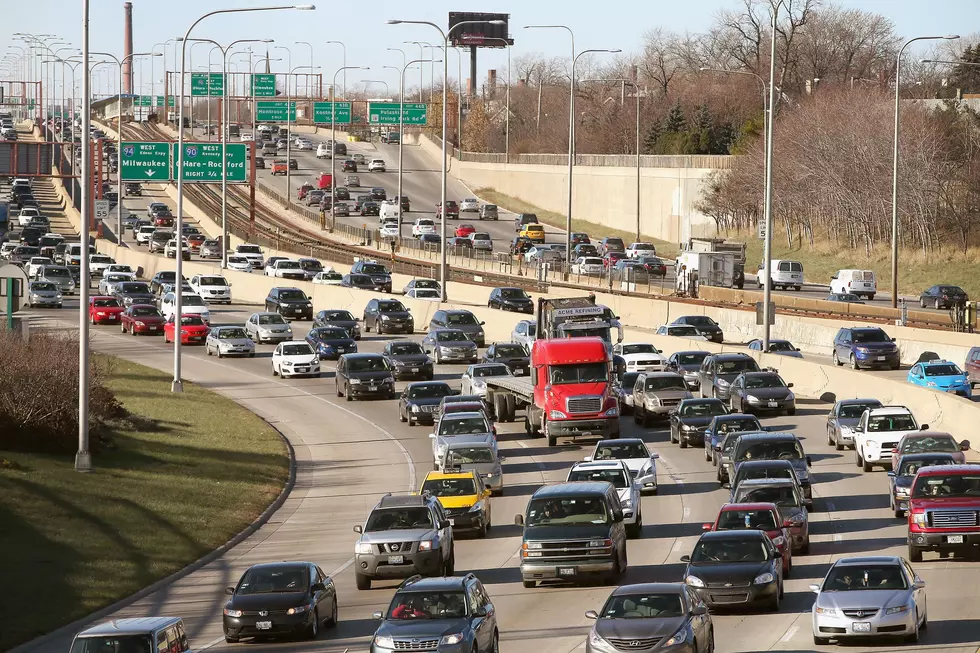
According to published reports, how much you'll pay could vary quite a bit based on when you choose to go out. Pay more when the roads are busier, pay less when there's very little congestion.
Under this pricing method, which is also called congestion pricing, tolls are continually adjusted according to traffic conditions to maintain a free-flowing level of traffic, according to the Federal Highway Administration.
Prices adjust in real time under dynamic pricing; they increase during more congested times and decrease during quieter periods. While less predictable than a fixed rate, dynamic pricing's "flexibility helps to consistently maintain the optimal traffic flow," the FHA noted.
In such systems, drivers are typically guaranteed that they will not be charged more than a pre-determined maximum price -- or below a certain amount.
Keep in mind that this is Illinois, and ask yourself if you can remember any pricing changes by Illinois state government that resulted in you paying less. Ever.
LOOK: The richest town in every state
Gallery Credit: Stacker
More From WROK 1440 AM / 96.1 FM