
Where Do Illinois’ Bats Go When Winter Crashes the Party?
We recently asked and answered the question of where Illinois' bees go when the weather goes from hot to cool to freezing, but what about Illinois' population of bats?
Having just had an encounter with a bat the other day who flew into my shirt at 3am, I can tell you that they're still around and doing their thing...but what happens when the weather gets as cold as Northern Illinois traditionally gets around this time of year?
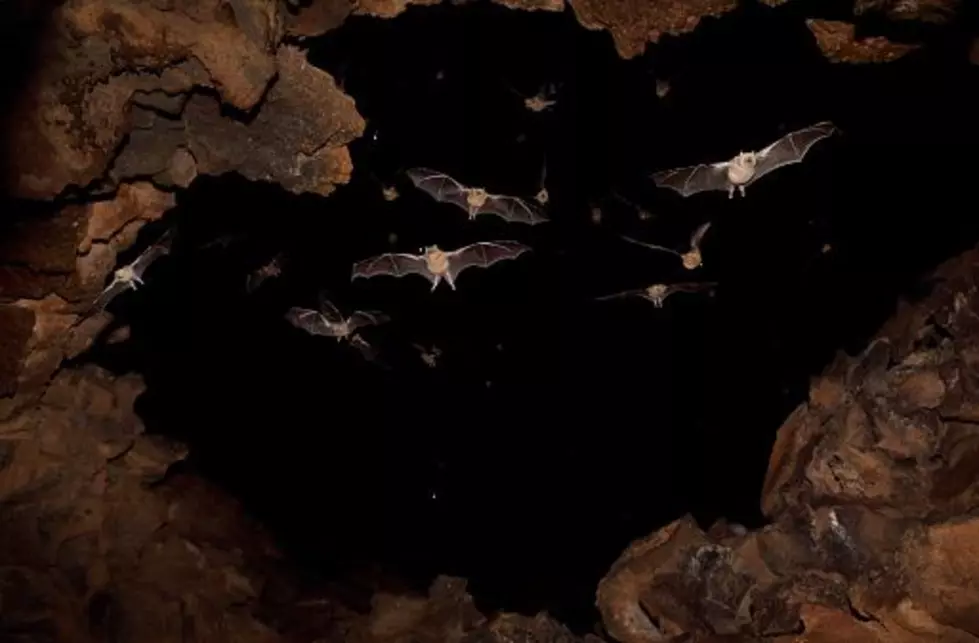
As the days grow shorter and the evening air turns cooler and cooler, Illinois’ bats are preparing for their annual disappearing act. You won’t see them swooping after mosquitoes or darting through streetlights much longer, but they haven’t vanished completely. When winter arrives, our state’s bats either hibernate or head south in search of warmth and food.

Some Illinois Bats Are Hibernators, Others Are Migrators
Several species that call Illinois home year-round survive the cold by hibernating. When temperatures drop and insects disappear, they lower their heart rate and body temperature, living off stored fat until spring. To stay safe and stable, they need spots that stay cold but not freezing, like caves, rock crevices, tunnels, or abandoned mines.
Southern Illinois is full of these natural shelters. Illinois Caverns in Monroe County, LaRue-Pine Hills in Union County, and the Cave-in-Rock area along the Ohio River are all popular hibernation zones. Old mines in Gallatin, Pope, and Saline Counties also serve as vital refuges, especially for endangered species such as the Indiana bat and northern long-eared bat.
Farther north, where caves are scarce, some bats adapt by moving into attics, barns, storm sewers, and bridges. The hardy big brown bat is often the one you’ll find riding out winter in a quiet corner of a building.

Then, You've Got Illinois Bats That Migrate And Just Go Where The Bugs Are
Unlike the bat species that ride out the winter in a deep, fat-burning sleep, other species prefer to skip hibernation altogether. Red bats, hoary bats, and silver-haired bats take off before the first hard frost, flying hundreds of miles south to places where insects remain plentiful. By spring, they’ll return to Illinois to feed and raise their young once again.
Unfortunately, hibernation has become more dangerous in recent years. A fungal disease called white-nose syndrome wakes bats too often during their long sleep, draining their fat reserves and leading to massive die-offs. Wildlife experts ask anyone exploring caves or old mines to stay out of hibernation sites from fall through spring, both for your safety and theirs.
Why do giraffes have long necks? Answers to 25 animal evolution questions:
Gallery Credit: Stacker
More From WROK 1440 AM / 96.1 FM


